
Prime Minister Narendra Modi’s recent address regarding the escalating West Asia conflict sent a clear warning to the corporate world: the macroeconomic impact of global disruptions will be felt across the domestic market for a long time. When regional tensions choke critical maritime corridors, Brent crude prices spike rapidly. For corporate leaders, this isn’t just a geopolitical headline; it is an immediate operational challenge. To navigate this volatility, companies must closely map out the fuel inflation correlation with consumer behavior and leverage real-time market intelligence to protect their margins.
How Fuel Inflation Affects Consumer Behavior
When fuel prices skyrocket, consumer wallet share experiences rapid, asymmetric tightening. The impact cascades distinctively across key sectors, transforming how everyday business is conducted:
- FMCG & Retail: Essential goods face a double whammy. Rising transportation costs inflate manufacturing and distribution overheads, while fuel inflation directly erodes household purchasing power. Consumers quickly down-trade to cheaper variants or smaller pack sizes to manage their weekly budgets.
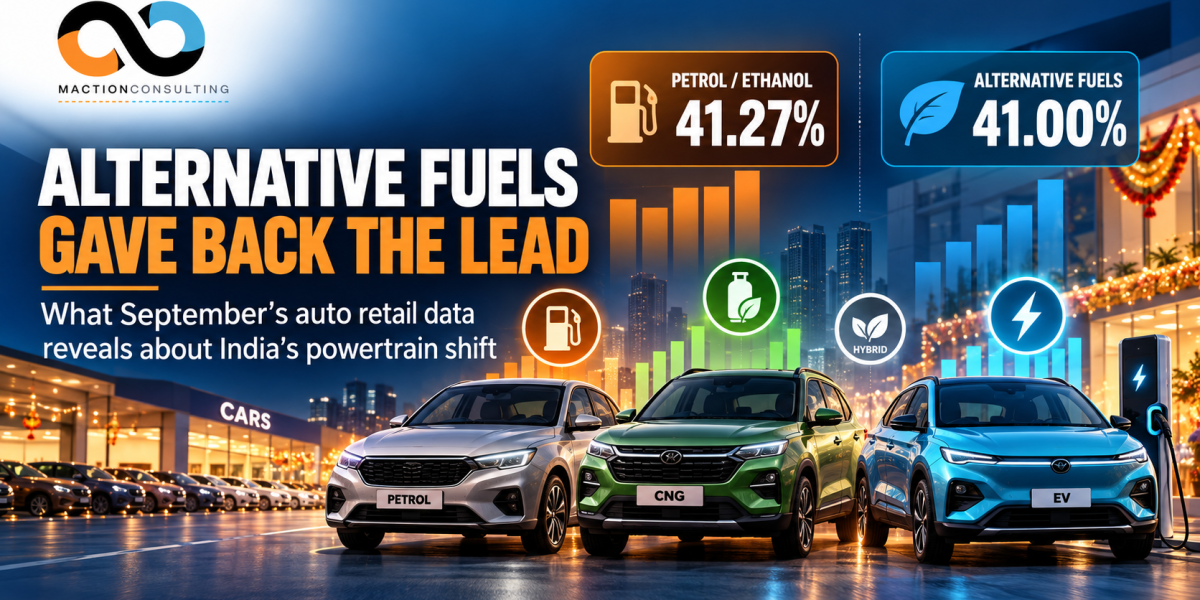
- Automotive: The immediate squeeze hits the traditional internal combustion engine market. Rising fuel pump prices alter the total cost of ownership overnight, severely dampening short-term automotive demand while accelerating electric vehicle inquiry rates.
- Travel & Hospitality: Disrupted shipping lanes and high aviation turbine fuel costs force airlines to bump up ticket pricing. Consequently, discretionary leisure travel is often the first luxury consumers trim when utility bills surge.
How Businesses Can Respond to Rising Fuel Costs
Navigating economic uncertainty requires businesses to move beyond historical data and rely on real-time market intelligence. Organizations that monitor consumer behavior and market sentiment can adapt more effectively to changing economic conditions.
Case Study 1: FMCG Packaging Strategy During Inflation
During a major fuel price surge, a leading Indian consumer goods manufacturer noticed a sudden 14% drop in the volume growth of its premium home-care segment. Instead of executing blanket price hikes—which would further alienate price-sensitive shoppers—the brand leveraged real-time consumer sentiment data. Recognizing that buyers wanted to maintain their preferred brands but lacked the liquidity for high upfront costs, the company rapidly downsized its core products into low-unit-price “bridge packs.” By offering smaller, more affordable volumes, they successfully retained brand loyalty and halted volume attrition.
Case Study 2: Retail Logistics Optimization During Fuel Price Surges
A multi-state electronics and appliance retailer faced severe margin erosion as third-party freight costs spiked by 25% due to regional diesel hikes. Rather than passing the full cost onto the consumer and risking a drop in conversion rates, the retailer utilized localized market intelligence. By analyzing regional fuel indices and combining them with consumer transit behavior data, the company restructured its fulfillment strategy. They incentivized localized pickup models, positioned inventory closer to high-demand hubs to reduce the last-mile delivery radius, and adjusted shipping promotions dynamically. This calculated approach preserved their conversion rates while keeping delivery margins stable.
Using Market Intelligence During Economic Uncertainty
Relying solely on quarterly reports during periods of rapid economic change can lead to delayed decisions and missed opportunities. Businesses need continuous access to consumer insights and market intelligence to remain competitive.
Key areas of focus include:
- Predictive pricing models that account for changing logistics and input costs.
- Agile marketing strategies that emphasize value and affordability.
- Digitized supply chains that can quickly adapt to disruptions and changing demand patterns.
- Continuous consumer research to identify emerging trends and shifts in purchasing behavior.
Frequently Asked Questions
How does fuel inflation affect consumer behavior?
Fuel inflation often reduces household purchasing power, causing consumers to prioritize essential spending and seek lower-cost alternatives.
Why is consumer research important during inflation?
Consumer research helps businesses understand changing customer needs, spending habits, and purchasing preferences, enabling better strategic decisions.
How can businesses respond to rising fuel prices?
Businesses can use market intelligence, optimize supply chains, adjust pricing strategies, and monitor consumer sentiment to remain competitive.
Which industries are most affected by fuel inflation?
Industries such as FMCG, retail, logistics, automotive, travel, and hospitality are often among the most affected by rising fuel costs.
Need Consumer Insights During Uncertain Economic Conditions?
Understanding how inflation and global events affect consumer behavior requires reliable data and timely market intelligence.
Maction helps organizations track consumer sentiment, evaluate market trends, and make informed business decisions through customized research solutions.
Contact our team to learn how market research can support your business strategy.
The Takeaway
As the macroeconomic environment becomes increasingly unpredictable, businesses can no longer rely solely on historical trends and quarterly reports. Organizations that leverage real-time market intelligence, monitor consumer behavior, and adapt quickly to changing conditions will be better positioned to protect margins and identify new growth opportunities. In times of uncertainty, data-driven decision-making becomes a competitive advantage.