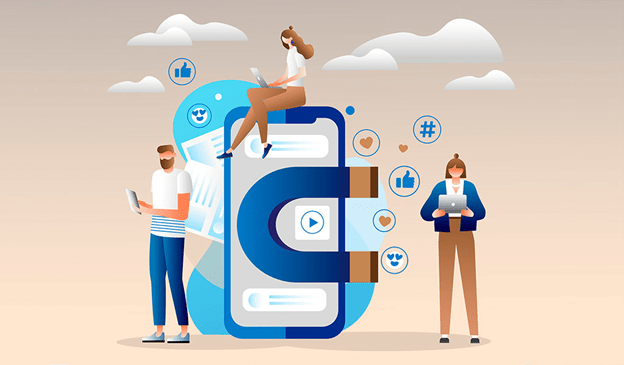

Retention got harder to buy and easier to earn this year. Third-party data keeps shrinking, ad costs keep rising, and customers keep getting more selective about who they trust with their information. The brands winning on retention in 2026 aren’t the ones with the biggest loyalty program — they’re the ones who built retention on data customers actually chose to share.
Lead with zero-party data, not inferred behavior
With third-party tracking increasingly restricted, the retention strategies working best in 2026 are built on data customers give directly — preference centers, post-purchase surveys, loyalty-program inputs. It’s smaller in volume than scraped behavioral data, but far more reliable, and customers respond better to personalization that’s visibly based on something they told you.
Predictive churn, with a human-reviewed action layer
AI-based churn scoring is now standard — flagging accounts likely to lapse based on usage decline, support ticket sentiment, or engagement drop-off. The strategic shift in 2026 is what happens after the flag: leading teams route high-value at-risk accounts to a human outreach, not an automated discount email, because generic AI-triggered offers are increasingly recognized (and ignored) by customers.
Treat privacy as a retention feature, not a compliance checkbox
Data protection expectations have tightened across markets, and customers notice which brands handle their data carefully. Being transparent about what’s collected and why, and giving customers real control over it, has become a differentiator that shows up in trust scores and repeat-purchase rates, not just in audit reports.
Personalize the reason to return, not just the messaging
Personalized subject lines were table stakes years ago. In 2026, retention personalization means tailoring the actual value proposition — a different onboarding path, a different feature highlight, a different loyalty tier structure — based on what a segment has shown it actually cares about.
Close the loop between research and CX teams
The most consistent gap in underperforming retention programs is a research function that identifies why customers churn, sitting separately from a CX or lifecycle team that can’t act on it fast enough. Continuous, always-on feedback loops — rather than an annual satisfaction survey — are what let retention strategy adjust in weeks, not quarters.
Reward loyalty with recognition, not just discounts
Discount-only loyalty programs are showing fatigue. Retention strategies gaining traction in 2026 mix in status, early access, and genuine service upgrades — things that don’t train customers to wait for the next markdown before repurchasing.
Where Maction fits
Maction helps brands build the research foundation retention strategy actually needs — from zero-party data collection design to churn-signal research that tells you why an account is at risk, not just that it is.
Want help diagnosing where your retention strategy is leaking? Let’s talk.