
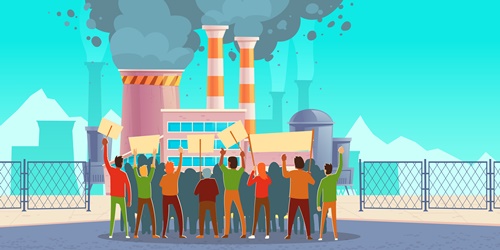

Last week, India Gate, a symbol of national pride, witnessed a different kind of fervor. Not a celebration, but a desperate cry for breathable air. The chaotic scenes, with reports of pepper spray and arrests, highlighted a growing public backlash against Delhi’s worsening air pollution. Beyond the headlines, these protests offer a crucial lens into evolving consumer attitudes, presenting unique opportunities and challenges for sustainable marketing in the National Capital Region (NCR).
The constant drone of Air Quality Alerts has moved from mere advisories to a lived reality for Delhiites. The protests at India Gate weren’t just about immediate relief; they were a visceral manifestation of frustration, demanding accountability and action. For businesses, ignoring this groundswell of emotion is no longer an option. Instead, understanding the underlying sentiment can unlock new pathways for connecting with a newly awakened consumer base.
Unpacking the Public Pulse: NLP and the Digital Echo
To truly grasp the magnitude of this shift, we turn to the power of NLP sentiment analysis. By applying natural language processing tools to vast datasets of social media conversations, news comments, and even qualitative survey data, we can map the nuanced, evolving opinions of NCR residents. This isn’t just about counting mentions of “pollution”; it’s about discerning the anger, the fear, the desperation, and crucially, the budding desire for solutions.
Initial analysis reveals a clear pattern: the immediate aftermath of severe pollution events and protests like those at India Gate correlates with a significant spike in discussions around personal health, government inaction, and a pronounced interest in tangible solutions. This includes everything from air purifiers to electric vehicles, and critically, a deeper look into eco-friendly products. Consumers aren’t just complaining; they’re actively seeking alternatives that align with their environmental concerns.
Case Study 1: The Air Purifier Boom – From Luxury to Necessity
Consider the trajectory of air purifiers in Delhi. A decade ago, these were niche luxury items. Today, they are a household staple for many, driven by the sheer necessity of clean indoor air. Our NLP analysis shows that mentions of air purifiers spiked by over 300% during peak pollution weeks in comparison to non-peak weeks over the last five years. Furthermore, sentiment around these products has shifted from “expensive” to “essential” and “life-saving.” This isn’t just about product utility; it’s about a brand’s ability to position itself as a guardian of health and well-being, directly addressing a critical consumer need born from the Delhi air quality crisis. Brands that actively promote their clean air solutions, rather than just selling a gadget, resonate more deeply.
Case Study 2: The Electric Vehicle Movement – A Slow Burn Accelerating
While still nascent compared to air purifiers, the electric vehicle (EV) market in Delhi is another fascinating indicator of changing sentiment. Historically, price and range anxiety were dominant concerns. However, post-protest sentiment analysis reveals a growing willingness among consumers to consider EVs, not just for fuel savings, but as a direct contribution to reducing urban smog. Social media conversations show an increasing number of individuals weighing the environmental impact of their commute against traditional vehicle choices. Government subsidies certainly play a role, but the underlying drive is the desire to be part of the solution to the worsening air pollution Delhi faces. Automotive brands that can effectively communicate their commitment to a greener future and alleviate perceived EV limitations are poised for significant growth.
Seizing the Opportunity: Sustainable Marketing in the NCR
The takeaway for businesses is clear: the Delhi air pollution protest is not just a news event; it’s a market signal. The anger and frustration expressed on the streets translate into a powerful demand for change, and for products and services that embody that change. Sustainable marketing in the NCR is no longer just about ethical posturing; it’s about survival and growth.
Brands that can authentically demonstrate their commitment to environmental stewardship, offer genuinely eco-friendly products, and communicate transparently about their impact will gain a significant competitive edge. This includes everything from packaging and supply chains to corporate social responsibility initiatives that directly address local environmental challenges. The green consumer in Delhi is not a niche segment; it is becoming the mainstream, shaped by the undeniable reality of the air they breathe. The time to listen, learn, and act is now.